.webp)


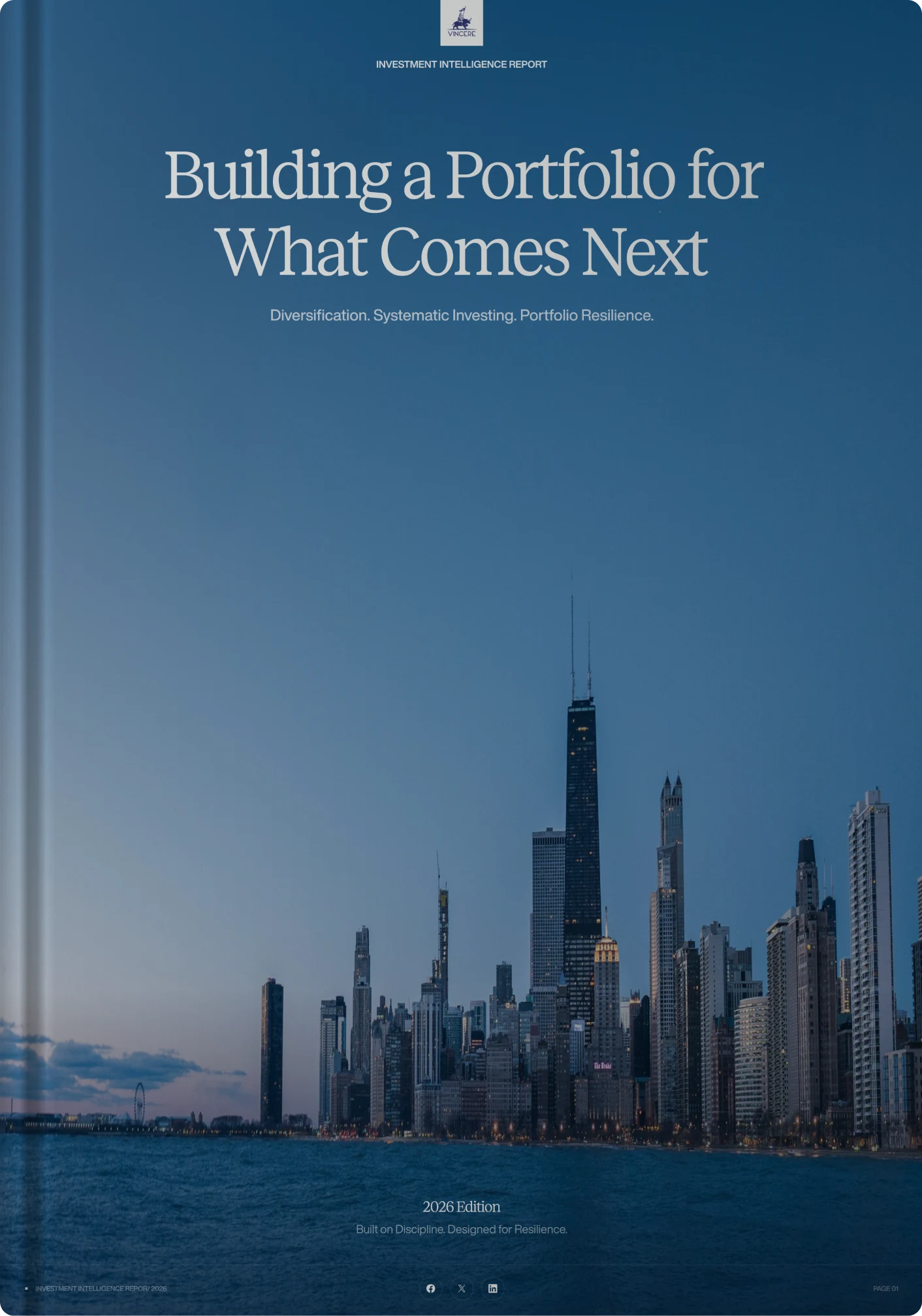
Discover the 5 Alternative Investments Serious Investors Are Considering in 2026, and How to Evaluate Which Ones Belong in Your Portfolio.
A new 20-page Investment Intelligence Report for investors, business owners, high-income professionals and retirees who want to explore alternative ways to grow and diversify their capital.
For educational purposes only.
/ The Question
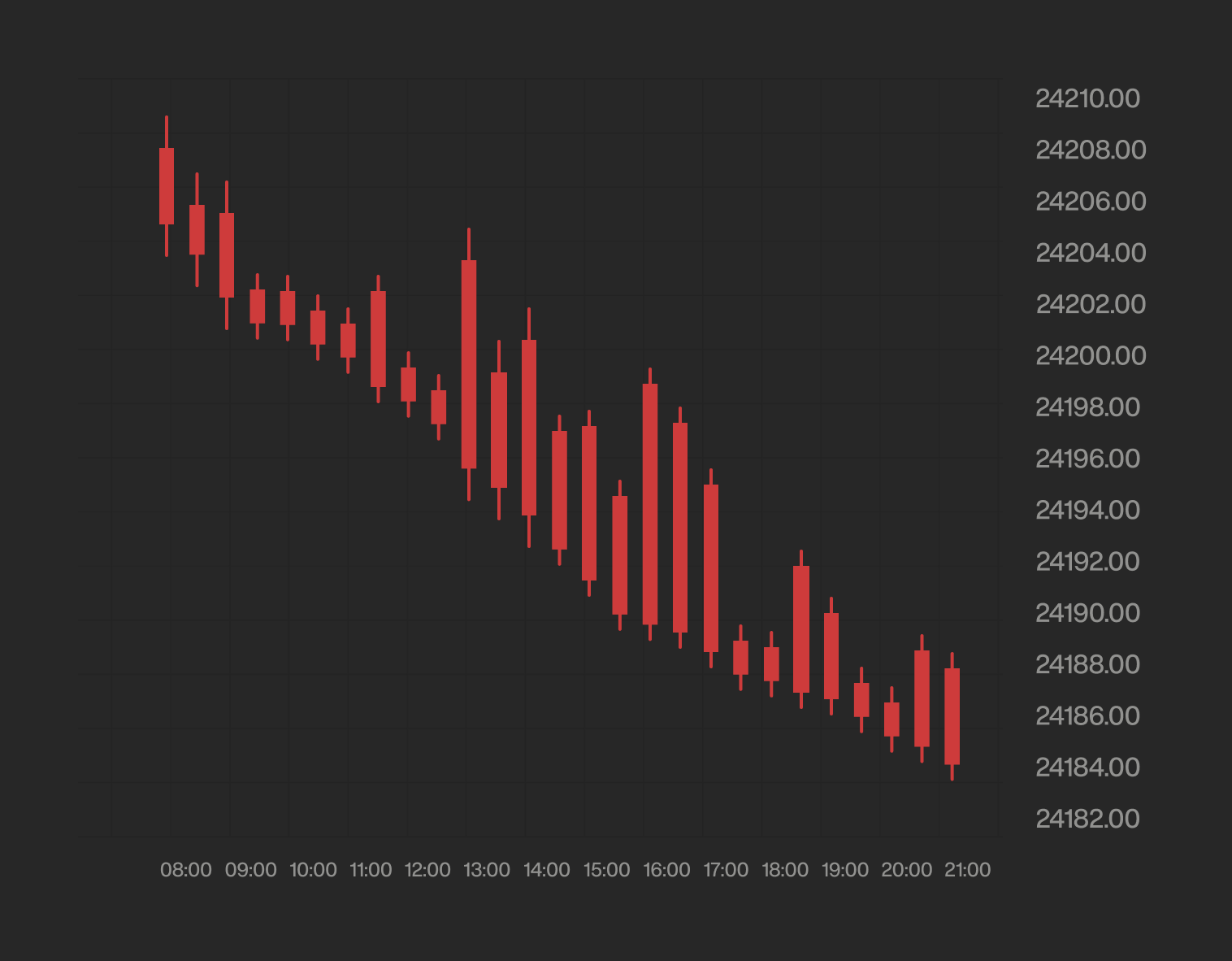
What Happens to Your Wealth When the Market Crashes?
- Nobody knows when the next major market downturn will happen, but you don't need to predict it to prepare for it.
- In March 2020, the S&P 500 fell approximately 34% from its February high to its March low. For investors who believed they were diversified because they owned different stocks, ETFs, mutual funds, and accounts, the experience revealed an uncomfortable truth:
- Owning more investments doesn't necessarily mean having more independent sources of return.
- When the same market forces drive most of your portfolio, diversification can disappear precisely when you need it most. That's why sophisticated investors are increasingly looking beyond the traditional portfolio.
- Not necessarily to replace stocks, bonds or real estate, but to ask a better question: What other ways can my capital generate returns?
For educational purposes only.
/ The Report
The Alternative Investment Market Has Changed.
- There are more ways to put capital to work than the traditional stock-and-bond portfolio suggests, but that creates another problem.
- How do you know which alternatives are actually worth considering?
- A high projected return doesn't tell you enough. You also need to understand: What happens on the downside? How liquid is your capital? How much of your time does it require? Does it actually diversify what you already own? Can it scale? Can it compound? How dependent is the outcome on your own decisions? Can the strategy adapt when conditions change?
That's why we created this report.
For educational purposes only.
/ The Process
What’s Inside
This is a practical investment framework for understanding how alternative investments actually work, and how to evaluate them before putting capital at risk.

What Happens to Your Portfolio When the Market Falls?
Understand what the 2020 market decline revealed about portfolio concentration, and why preparation is different from prediction.

Are You Actually Diversified?
Learn the difference between diversifying your assets and diversifying the sources of return driving your portfolio.

Why Sophisticated Investors Look Beyond Traditional Investments
Why alternatives can complement, not necessarily replace, the traditional portfolio.

The Alternative Investment Market in 2026
A clear look at five major categories:
Private Credit, Real Estate & Short-Term Rentals, Private Businesses, Pre-IPO & Private Equity and Systematic Investing

The 10-Question Alternative Investment Test
A framework for evaluating any alternative investment across return, risk, correlation, liquidity, time, scalability, transparency, compounding and adaptability.

The Overlooked Alternative
Understand what systematic investing actually is, how it differs from manual trading, and what happens when markets become difficult.
For educational purposes only.
/ The idea most investors miss
Diversification Isn't Just About What You Own.
- An investor can own: S&P 500 ETFs, Nasdaq funds, Individual stocks, Mutual funds, 401(k) investments… and still have much of their wealth exposed to the same underlying market forces.
- That's diversification by holdings. A more sophisticated approach asks: How many genuinely different ways does my capital have to generate returns?
- A property generates returns differently from a private loan.
A private business generates returns differently from a public stock. - And a systematic strategy can seek returns through a rules-based process rather than relying solely on the direction of traditional markets. This idea, diversification by return engine, is the foundation of the report.
For educational purposes only.
/ There's the question of results
What Has Systematic Investing Actually Delivered?
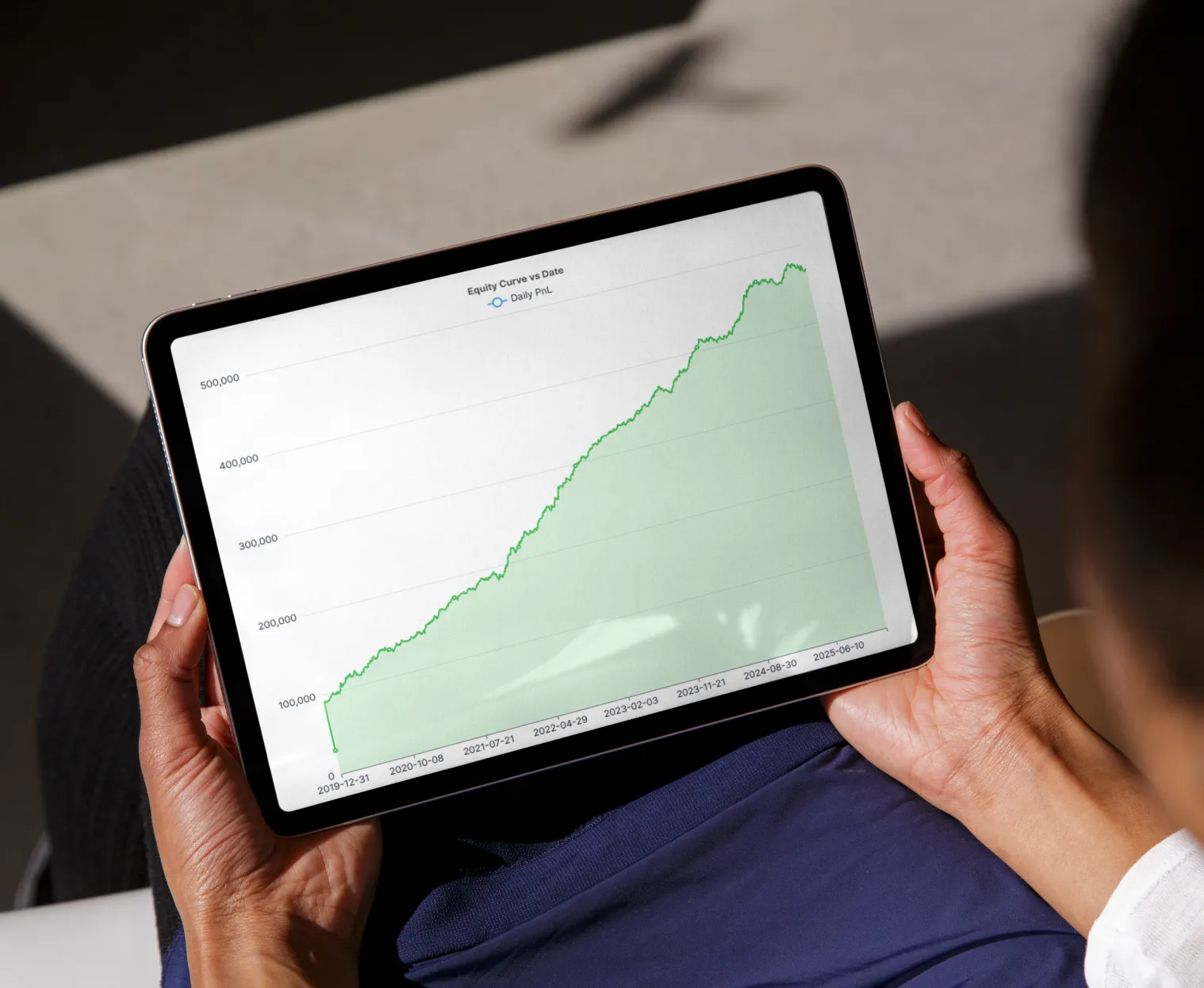
- Vincere has been operating its algorithmic portfolio with live capital since January 2020, through COVID-19, inflation shocks, changing interest-rate environments, and significant geopolitical volatility.
- Over that period, Vincere's current published performance record shows: 2,232% Compounded Return, 52% Average Annual Return, 87.2% Profitable Months, −10.6%, Maximum Drawdown, −0.21 Reported S&P 500 Correlation
- And the difference becomes even more tangible when viewed through compounding. A $120,000 starting balance under the reported compounded performance grew to nearly $2 million over the period.
- For comparison, Vincere's published analysis places the S&P 500's cumulative return over the comparable period at approximately 115%.
- These numbers don't mean future returns will look the same. They show what the system has historically done, and provide a track record against which the investment approach can be evaluated. The question isn't simply how much it returned. It's: What kind of return engine produced it?
For educational purposes only.
The Effect of Covid-19
From March to April
/ Is it fit for you
Who's This Perfect For?
- Business Owners
- Investors
- High-Income Professional
- Retirees
- Long-Term Wealth Builders
For educational purposes only.

Get the 20-Page Investment Intelligence Report
You don't need to decide whether an alternative investment belongs in your portfolio today. Start by understanding what's available. Then evaluate it against your own circumstances.
*Educational material only. Not individualized financial advice. Historical performance is not indicative of future results. Alternative investments involve risk, including possible loss of capital. Investors should consider their own circumstances and consult appropriate professional advisers.

Frequently Asked Questions

That's exactly the situation this report is designed to help you think through. You don't necessarily need to replace your existing investments. The question is whether your portfolio is sufficiently diversified across different sources of return, or whether much of your capital ultimately depends on the same market forces.
[Answer to be supplied by the client]
[Answer to be supplied by the client]
[Answer to be supplied by the client]
[Answer to be supplied by the client]
[Answer to be supplied by the client]
For educational purposes only.

.svg)
.svg)
.svg)